Like most gardeners, I can’t wait for spring.
Early spring gardening is that sweet spot between winter’s quiet rest and summer’s wild abundance - a time when the soil begins to wake up, the scent of compost fills the air, and green shoots start reaching toward the light.
There’s nothing quite like sinking your hands into warm, moist soil for the first time after months of cold weather.
For me, those first days in the garden are pure joy - a ritual of hope, growth, and new beginnings.
This season, my focus is on two crops that promise early rewards and lasting satisfaction: strawberries and lettuce.
Both are easy to grow, perfect for small spaces or raised beds, and ideal for gardeners who want to get a head start on fresh, homegrown produce.
And if you love growing the old-fashioned way - with non-GMO, heirloom varieties that taste like real food should - then you’re in for a treat.
Why Early Spring Gardening Matters
Spring is a time of renewal, but it’s also a race against the weather.
Temperatures rise and fall, frosts linger, and daylight hours slowly stretch.
Planning your early plantings carefully makes all the difference between thriving crops and disappointment.
By starting with cool-season favorites like lettuce and strawberries, you’re aligning your planting schedule with nature’s rhythm.
These crops can handle a bit of chill, tolerate early frosts, and reward you with growth long before tomatoes or peppers ever see the light of day.
Even more, early planting helps you:
-
Extend your harvest season by starting cool-weather crops first.
-
Build soil health by getting roots in the ground sooner.
-
Make better use of space - especially in raised beds or tunnels.
-
Feed pollinators early with strawberry blossoms and companion herbs.
The Magic of Strawberries in Early Spring
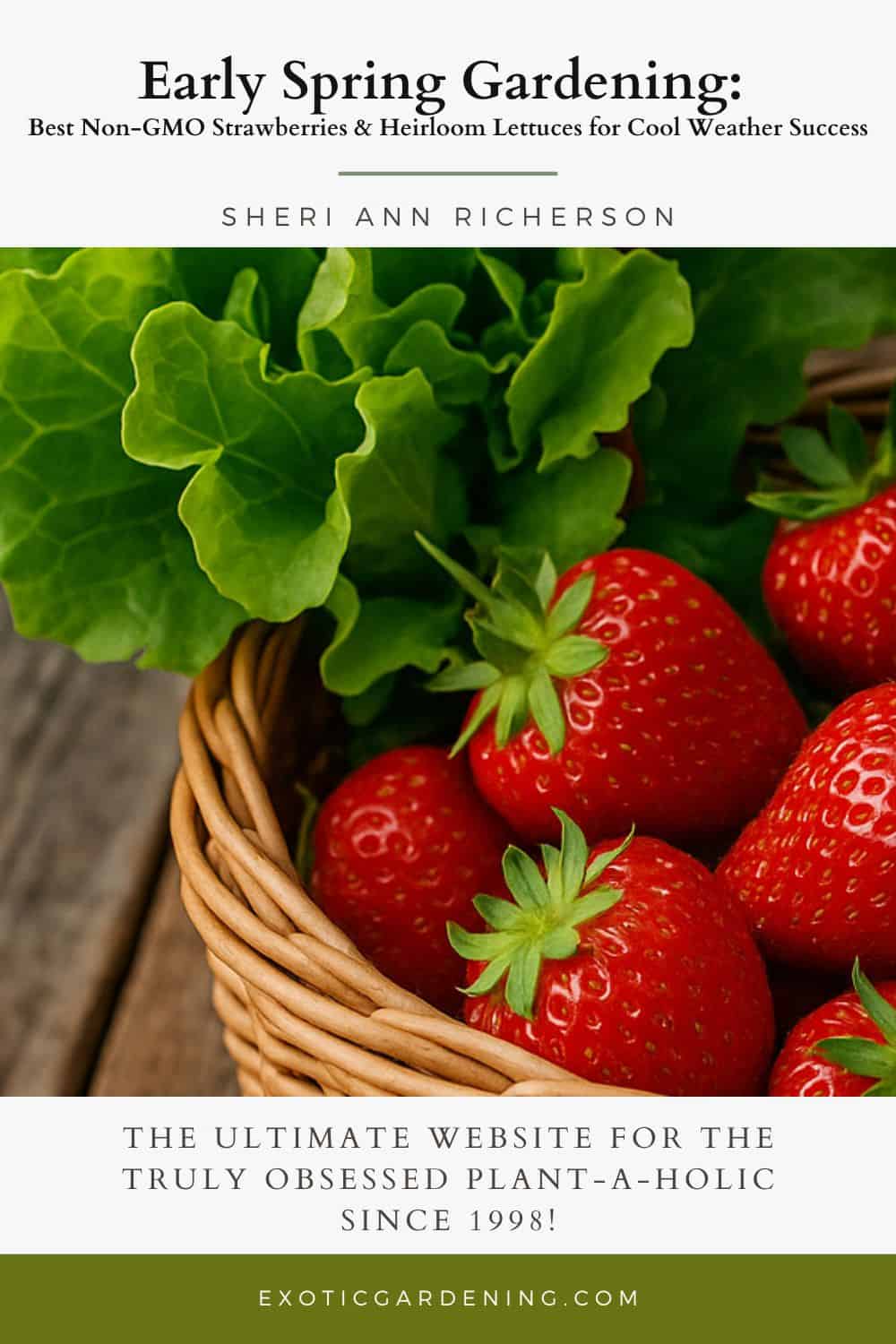
Strawberries are the crown jewels of the early garden.
Their glossy leaves, delicate white flowers, and bright red berries turn any garden bed into a work of art - and their flavor is worth every bit of effort.
Choosing Between June-Bearing, Everbearing, and Day-Neutral Varieties
There are three main types of strawberries, and knowing the difference will help you decide what fits your garden best:
-
June-Bearing Strawberries
These traditional varieties produce one large crop in early summer. They’re perfect if you want to preserve, freeze, or make jam.-
Popular heirloom varieties include Shuksan, Sparkle, and Honeoye.
-
They thrive in cooler northern climates and can yield impressively large, flavorful berries.
-
-
Everbearing Strawberries
As their name suggests, these plants fruit two to three times a year - once in spring, again in summer, and sometimes a final smaller flush in early fall.-
Try Ozark Beauty, a long-loved favorite with rich, old-fashioned flavor, or Quinault, known for its large, juicy berries and cold tolerance.
-
Everbearers are great for raised beds, vertical gardens, or containers because they don’t send out as many runners.
-
-
Day-Neutral Strawberries
These modern cultivars produce berries continuously as long as temperatures stay between 35°F and 85°F.-
Non-GMO favorites include Seascape, Albion, and Mara des Bois, which combines the fragrance of wild strawberries with the yield of cultivated types.
-
They’re a gardener’s dream for fresh picking all season long.
-
My Own Strawberry Journey
I’ve experimented with strawberries for years, and like many gardeners, my first attempt wasn’t perfect.
I began with June-bearers - reliable but fleeting.
After moving them under the fruit trees, they struggled and eventually thinned out.
It felt like nature’s nudge to diversify.
That’s when I added Ozark Beauty and Quinault, both everbearing varieties known for resilience and flavor.
I planted ten of each on March 15, tucking them into the edges of two raised beds.
This way, they could serve as both crop and border, leaving the inner sections open for leafy greens and companion herbs.
For those cool Indiana nights, I covered them with a thin layer of straw mulch - just enough to protect tender crowns from frost while allowing the soil to breathe.
It’s a simple step that can make or break a young strawberry bed.

Companion Planting for Strawberries
Strawberries thrive when surrounded by the right companions.
Some plants deter pests, while others improve flavor or soil health.
Great companions include:
-
Borage - attracts pollinators and deters pests; its starry blue flowers look stunning beside strawberry leaves.
-
Spinach - makes efficient use of space and soil moisture.
-
Lettuce - creates a living mulch to shade soil and conserve moisture.
-
Onions and Garlic - help repel aphids and slugs. But you might not want to interplant them and instead plant a patch in front of, behind or beside your strawberries.
-
Thyme and Sage - aromatic herbs that attract beneficial insects.
Avoid planting strawberries near brassicas (like broccoli or cabbage) or nightshades (like tomatoes and peppers), which can compete for nutrients or harbor diseases.
Building the Perfect Strawberry Bed
Strawberries prefer slightly acidic soil (pH 5.5–6.5) that’s rich in organic matter and well-drained.
Raised beds work wonderfully because you can control both drainage and fertility.
Mix in compost, aged manure, mushroom compost, or worm castings to build fertility before planting.
Spacing matters:
-
Set plants 12–18 inches apart in rows spaced about 2 feet apart.
-
Make sure crowns are level with the soil surface - burying them too deep can lead to rot.
Mulching is key.
Straw, pine needles, or shredded leaves keep fruit clean, discourage weeds, and regulate soil temperature.
And remember - strawberries are perennials.
With good care, a bed can stay productive for three to four years before it needs refreshing.
Heirloom and Non-GMO Strawberry Varieties to Try
Here are some timeless, flavorful choices worth growing:
‘Ozark Beauty’
One of the most popular everbearing varieties for home gardens. Produces large, sweet berries from spring to fall. Excellent for fresh eating and freezing.
‘Quinault’
A Washington State University heirloom known for soft, fragrant berries and excellent flavor. Performs well even in cooler northern gardens.
‘Mara des Bois’
A French day-neutral strawberry that smells like wild woodland berries. Its flavor is rich and complex - a gourmet favorite.
‘Sparkle’
An heirloom June-bearer prized for its deep red color and classic “jam strawberry” flavor. Perfect for preserves and pies.
‘Seascape’
A non-GMO day-neutral variety bred in California. Strong plants produce firm, sweet berries over a long season. Resistant to many common diseases.
Early Spring Lettuce: A Gardener’s First Harvest
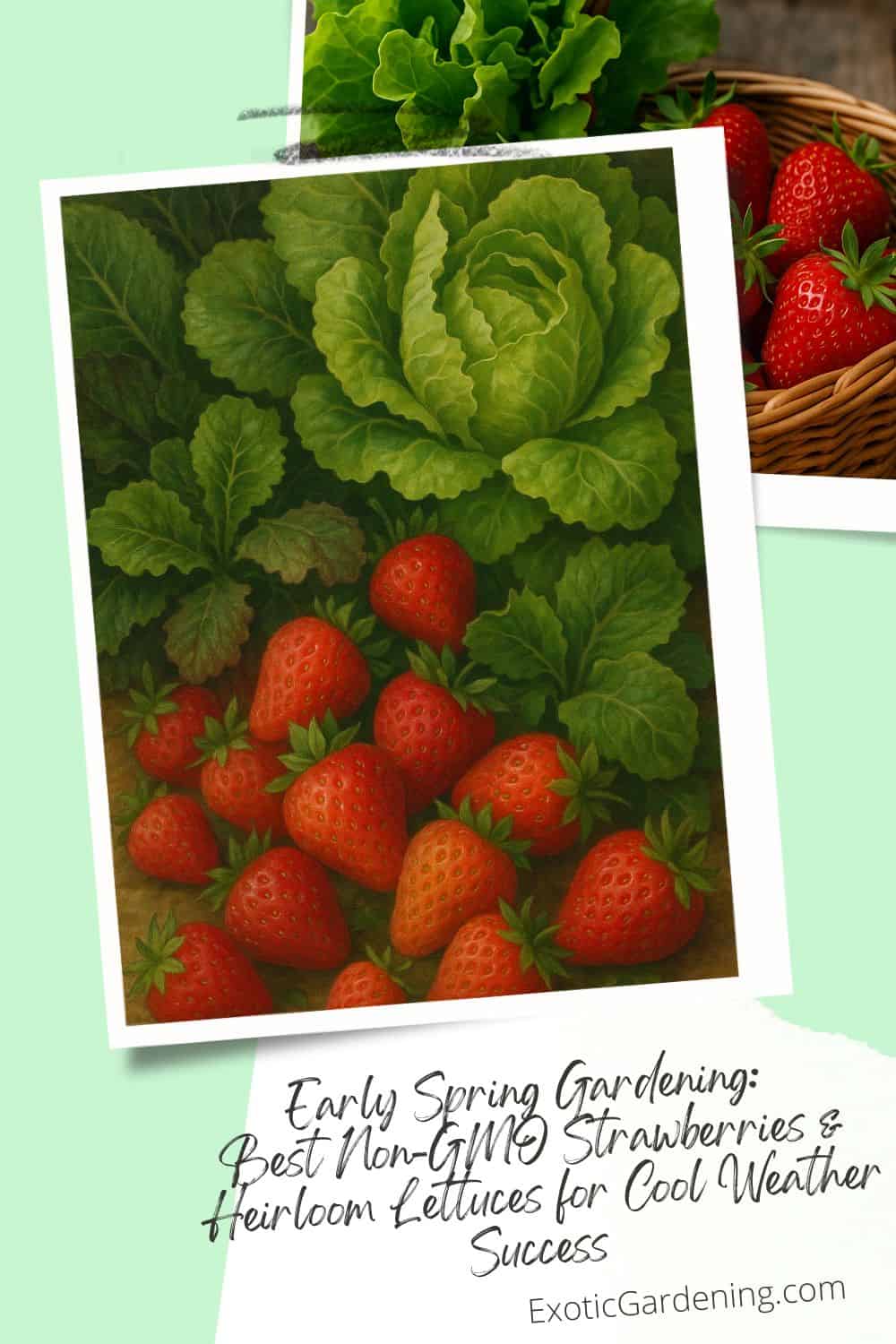
While strawberries promise sweetness later, lettuce rewards you almost immediately.
It’s one of the fastest, most forgiving crops you can grow - perfect for impatient gardeners like me.
In early spring, when soil temperatures hover around 40–45°F, lettuce seeds germinate easily.
And if you start seeds indoors under lights, you can transplant lush baby greens outdoors as soon as the ground can be worked.
My Early Lettuce Planting Routine
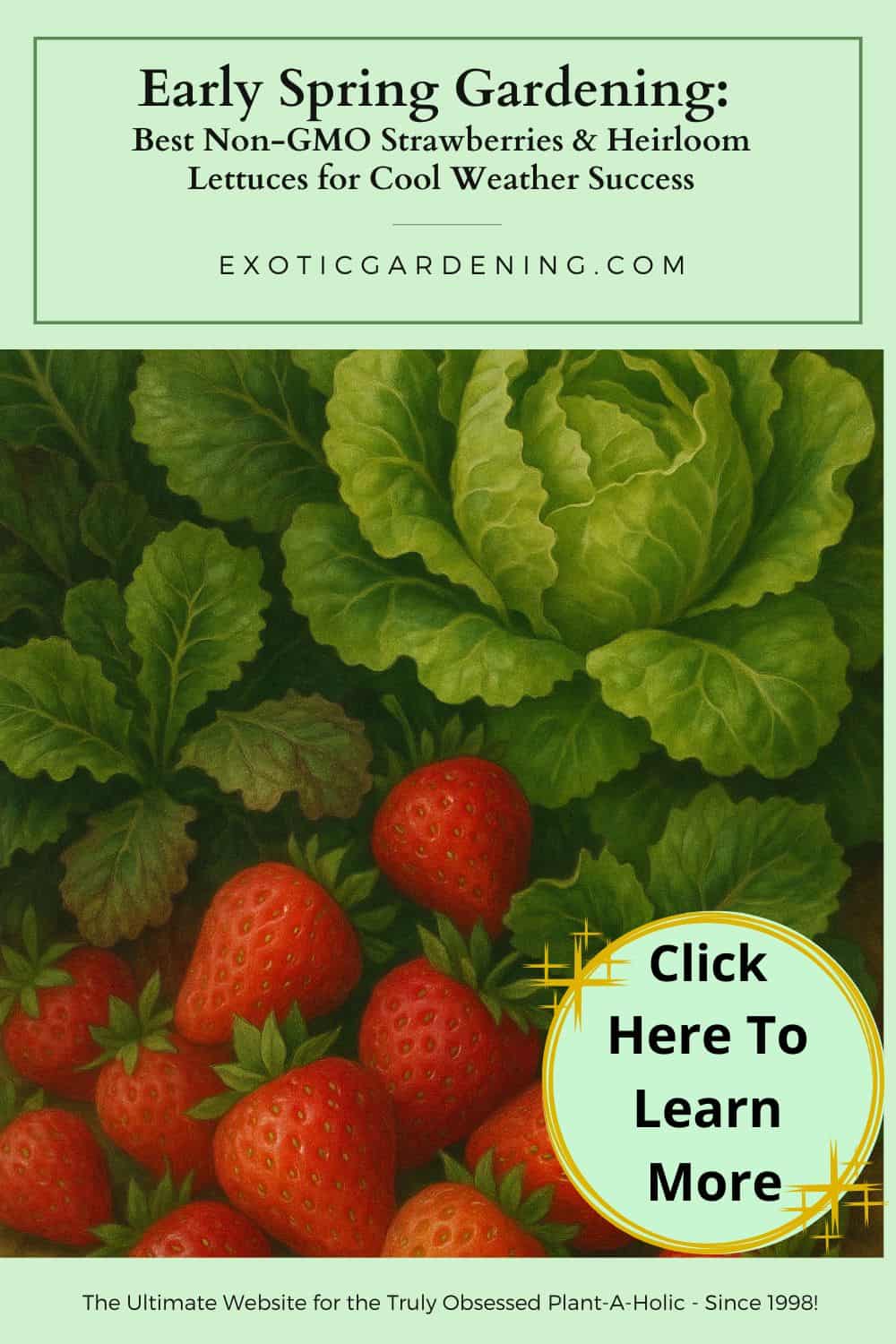
I started this season with half a flat of Signature Salads Wild Country Mesclun from Renee’s Garden - a flavorful mix of non-GMO lettuces and greens.
Before transplanting, I harvested a few outer leaves for a quick salad.
The greens were tender, vibrant, and not at all bitter despite being grown under warm indoor lights.
In the tunnel house, I spaced transplants generously, leaving room to sow additional seeds in between.
This staggered approach means I’ll have continuous harvests from early spring through early summer.
Non-GMO and Heirloom Lettuce Varieties for Early Spring
Lettuce diversity is amazing - crispheads, loose-leaf, romaine, butterhead, and more.
Here are some tried-and-true heirlooms that shine in cool spring conditions:
‘Black-Seeded Simpson’
A fast-growing, heat-tolerant loose-leaf variety with light green, crinkly leaves. It’s been a gardener’s favorite since the 1800s.
‘Forellenschluss’ (Freckles)
This Austrian heirloom butterhead features green leaves speckled with burgundy. Beautiful, tender, and flavorful.
‘Amish Deer Tongue’
Triangular leaves with a crisp texture and nutty flavor. A compact grower perfect for small spaces.
‘Tom Thumb’
A miniature butterhead lettuce that’s ready in about 45 days. Perfect for container gardens and individual salads.
‘Red Romaine’
Adds color and crunch to salads. Deep burgundy leaves are rich in anthocyanins - the same antioxidants found in blueberries.
‘Marvel of Four Seasons’ (Merveille des Quatre Saisons)
A stunning French heirloom that thrives in cool weather. Its green-and-red leaves are as beautiful as they are delicious.
Companion Planting for Lettuce
Lettuce loves the company of carrots, onions, and radishes.
Interplanting helps maximize bed space and keeps weeds down.
I often tuck lettuce between slower-growing crops like broccoli or strawberries - nature’s version of a living mulch.
Avoid planting lettuce near parsley or celery, which can compete for nutrients.
And since lettuce has shallow roots, be gentle when cultivating around it.
How to Keep Lettuce Sweet and Tender
Bitter lettuce is usually a sign of stress - too much heat, not enough water, or plants left to mature too long.
To keep your greens at their best:
-
Water consistently to keep soil evenly moist.
-
Harvest early in the morning when leaves are crisp and cool.
-
Pick outer leaves regularly to encourage fresh new growth.
-
Provide light shade once temperatures climb above 75°F.
A simple shade cloth or a few strategically placed taller plants (like peas or sunflowers) can make all the difference in extending your harvest.
The Beauty of Succession Planting
Don’t stop with one round of planting!
Sow small batches every two weeks for a steady supply of fresh lettuce.
You can alternate heirloom varieties for a colorful, flavorful mix - and save your own seed from the strongest plants for next year.
By pairing lettuce and strawberries, you’re not just filling your plate - you’re building a healthy garden ecosystem.
While lettuce anchors the cool season, strawberries stretch into summer and beyond.
Extending the Season with Simple Structures
In unpredictable spring weather, even the hardiest crops benefit from a bit of protection.
Consider:
-
Low tunnels with plastic or row cover fabric to trap warmth.
-
Cold frames for starting seedlings early.
-
Mulch and straw to regulate soil temperature and reduce frost risk.
These tools make it possible to start your garden weeks earlier - and keep it producing later into the season.
Bringing It All Together
Early spring gardening isn’t just about getting a head start.
It’s about reconnecting with the rhythm of the earth - preparing, planting, and nurturing before the rush of summer.
The cool air, soft rains, and scent of fresh soil remind us that abundance begins with patience and care.
Whether you’re growing heirloom lettuces for tender salads or non-GMO strawberries for sweet preserves, each plant you tend tells a story - of resilience, flavor, and the simple joy of growing your own food.
So grab your gloves, check your soil temperature (aim for 45°F and rising), and start your early spring garden today.
Because before you know it, those tiny green shoots will turn into a harvest worth celebrating.
Fruits





How To Prepare Clay Soil For Blueberries
Learn how to prepare clay soil for blueberries with expert tips for optimal growth. Cultivate a thriving blueberry garden today!





Leave a Reply